As Tears Go By Karaoke: A Beginner’s Guide to Arch Linux Installation
If you're diving into Linux for the first time, installing Arch Linux might seem daunting—but it’s a rewarding journey. Unlike user-friendly distros, Arch requires manual configuration, which can be intimidating for beginners. However, mastering it unlocks a level of control and customization that other systems can’t match. This guide will walk you through the process, highlighting common pitfalls and smarter alternatives to keep you on track.
Why Choose Arch Linux?
Arch Linux is known for its minimalism and rolling-release model, which means you always get the latest software updates. But this flexibility comes with a learning curve. Many users start with Ubuntu or Fedora, but Arch appeals to those who want to understand Linux at a deeper level. The trade-off? You’ll spend more time troubleshooting, but the payoff is a system tailored exactly to your needs.
Common Mistakes and How to Avoid Them
One of the biggest hurdles is the lack of a graphical installer. Unlike Ubuntu’s straightforward setup, Arch requires you to partition disks, configure the bootloader, and install packages manually. Skipping this step often leads to boot failures or missing dependencies. A smarter approach is to use a live USB and follow a step-by-step guide, like the one in the official Arch Wiki.
Another mistake is ignoring the importance of the pacman package manager. Many beginners try to install software without understanding dependencies, leading to broken systems. Instead, use pacman -Syu to sync and update packages before installation.
Smarter Alternatives for Beginners
If manual installation feels overwhelming, consider Manjaro or EndeavourOS—user-friendly Arch-based distros that automate the process while keeping the benefits of Arch. They provide a graphical installer and a more forgiving learning curve, making them ideal for those who want Arch’s power without the complexity.
Final Thoughts
Installing Arch Linux is a rite of passage for many Linux enthusiasts. While it’s not for everyone, the experience teaches invaluable skills. If you’re up for the challenge, dive in—but if you prefer a smoother experience, start with a derivative distro first. Either way, the journey is worth it.
A Beginners' Guide To Installing Arch Linux
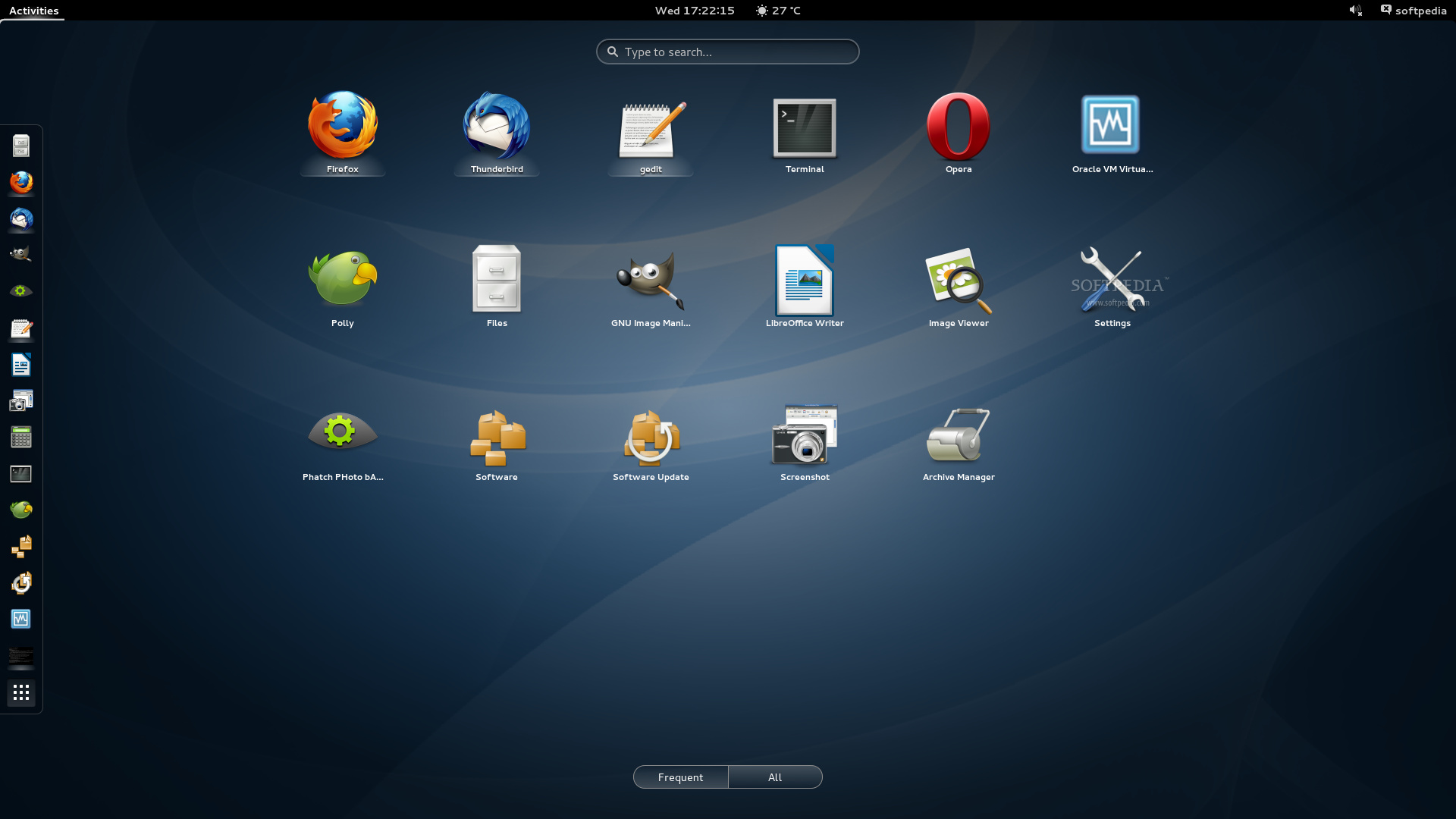
A Beginners' Guide to Installing Arch Linux