DJ Afro-Chinese Movies: A Unique Blend of Culture and Sound
When DJ Afro-Chinese Movies first emerged in the late 20th century, they represented a bold fusion of Afrocentric beats and Chinese cultural motifs, creating a sound that was both innovative and deeply rooted in tradition. Unlike mainstream electronic music, which often prioritizes globalized trends, Afro-Chinese DJs like DJ Afro-Chinese Movies blended African rhythms with Chinese instrumentation, resulting in a distinct sonic identity that resonated with niche audiences. This fusion wasn’t just a passing trend—it became a movement, influencing underground scenes and inspiring a new generation of artists.
Understanding the Afro-Chinese Sound
The Afro-Chinese sound is a product of cultural exchange, where African percussion meets Chinese melodies. Early pioneers of this genre often drew inspiration from traditional Chinese instruments like the guqin and the erhu, while incorporating African drum patterns and vocal chants. The result was a hybrid that defied easy categorization, appealing to listeners who craved something beyond the usual Western or Asian music landscapes. However, this fusion also presented challenges—many early producers struggled with balancing the two influences without losing the essence of either.
Common Mistakes in Afro-Chinese Production
One of the most frequent errors in Afro-Chinese music production is the overuse of clichéd samples. Many artists rely on generic African drum loops or Chinese instrument samples without adding their own twist, leading to a sound that feels derivative rather than original. Another mistake is ignoring the cultural nuances of the fusion. For example, using a Chinese melody without understanding its emotional context or pairing it with an African rhythm that doesn’t complement it can result in a disjointed listening experience.
Smarter Alternatives for Modern Producers
For those looking to create Afro-Chinese music today, the key is authenticity. Instead of relying on pre-made loops, producers should record or sample live performances of traditional instruments. This not only adds depth to the sound but also respects the cultural origins of the music. Additionally, experimenting with unconventional pairings—such as pairing a Chinese flute with a Congolese bassline—can lead to unexpected and compelling results. Collaborating with musicians from both cultures can also provide invaluable insights and enrich the final product.
The Future of Afro-Chinese DJing
As Afro-Chinese music continues to evolve, the role of DJs like DJ Afro-Chinese Movies is becoming increasingly important. These artists serve as cultural ambassadors, bridging gaps between different musical traditions and fostering cross-cultural understanding. With the rise of digital platforms, Afro-Chinese beats are gaining global recognition, but the challenge remains in maintaining the genre’s authenticity as it expands. The best way forward is for producers to stay true to their roots while remaining open to innovation, ensuring that Afro-Chinese music remains a vibrant and evolving art form.
Korea Korean Mini Star Men's Brooch Shirt Neckline Pin Buckle Badge
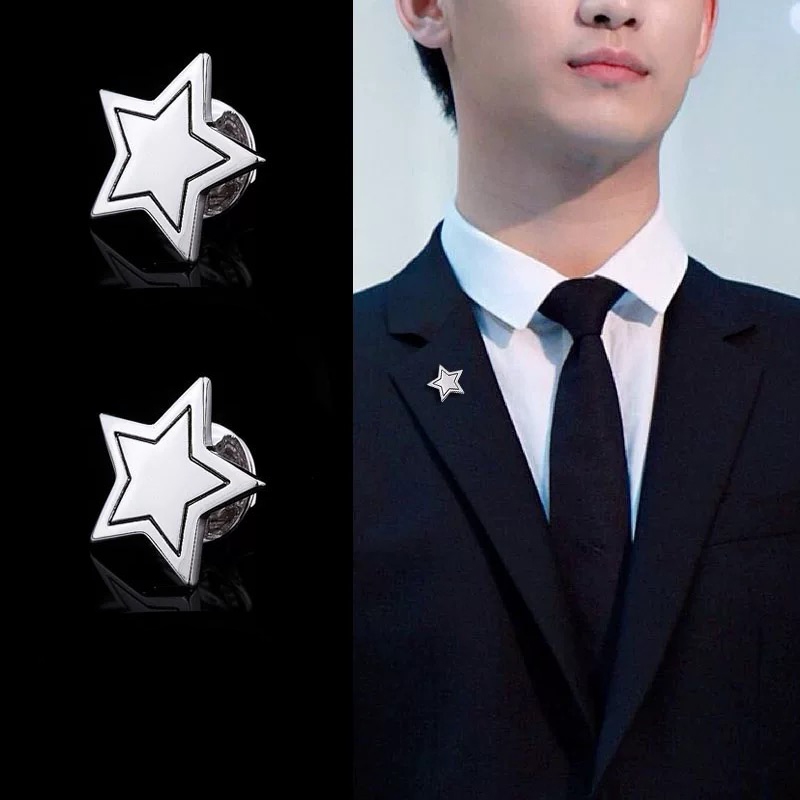
Korea Korean Mini Star Men's Brooch Shirt Neckline Pin Buckle Badge ...