Joshua Weissman but Cheaper: A Practical Guide to Hip Reduction Techniques
When a hip dislocation occurs, speed and precision can mean the difference between a quick recovery and chronic pain. While the phrase “Joshua Weissman but cheaper” might bring culinary creativity to mind, it also serves as a reminder that practical, cost‑effective solutions are always worth exploring. This article breaks down the most common hip reduction methods, offers clear guidance for busy readers, and highlights what you need to know to act quickly and confidently.
Why Hip Reduction Matters for Everyone
Hip dislocations are medical emergencies that can happen to anyone—from athletes on the field to office workers in a rush. Even a minor misstep can cause the femoral head to slip out of its socket, leading to swelling, bruising, and a loss of movement. Prompt, correct reduction not only eases pain but also prevents long‑term joint damage.
What Is a Hip Dislocation and How Is It Identified?
- Clinical signs: A sudden, sharp hip pain combined with an inability to move the leg normally.
- Imaging: X‑ray or CT scan confirms the displacement of the femoral head.
- Immediate action: Immobilize the leg with a splint or a sling while awaiting professional help.
Popular Hip Reduction Techniques
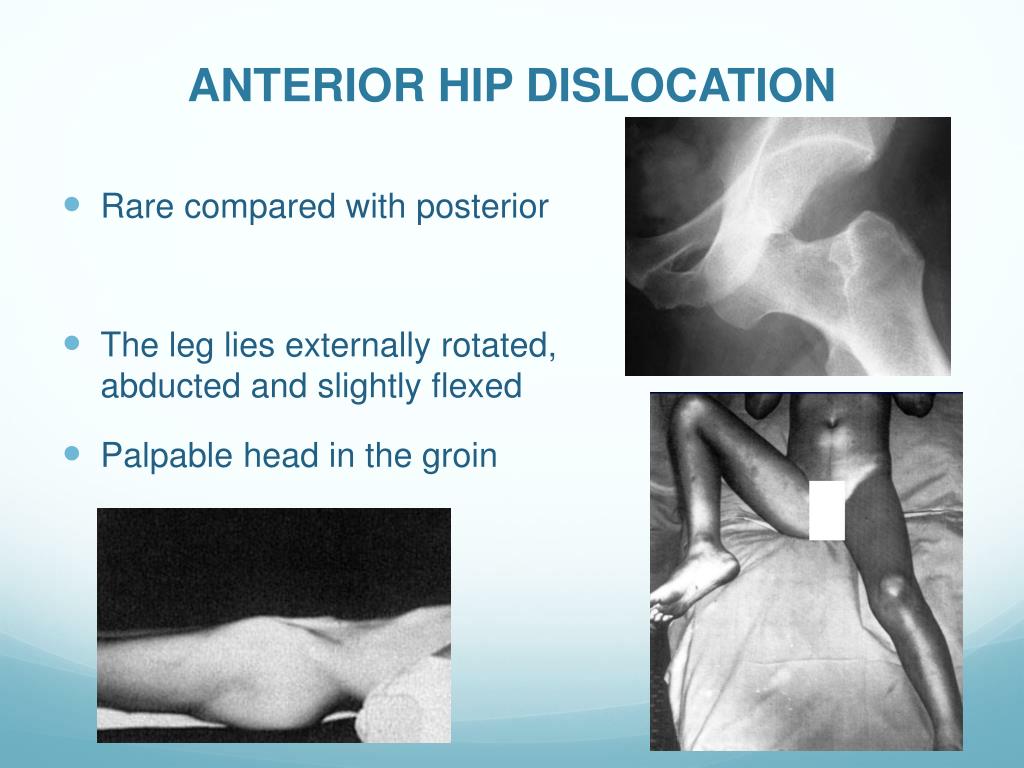
Experts favor three primary maneuvers, each designed to restore alignment with minimal force and risk. The images below illustrate the classic steps.

1. Supine External Rotation: The patient lies on their back; the clinician gently rotates the leg outward while applying counter‑pressure to the pelvis.
2. Trendelenburg Position: The hip is lifted by placing a pillow under the pelvis, encouraging the femur to realign.
3. Closed‑Manipulation Reduction: Often used in emergency settings, a clinician applies controlled pressure and leverages the hip joint back into place.
How to Choose the Right Method in a Busy Setting
Time constraints can make a difference. If you’re a first responder or a busy caregiver, the Supine External Rotation is often the quickest and most accessible technique. It requires minimal equipment and can be taught to non‑medical staff with a short training session.
Safety Tips and Common Pitfalls
- Never apply force without proper support; over‑aggressiveness can damage cartilage.
- Always have a secondary person ready to stabilize the pelvis.
- Follow up with imaging to confirm successful reduction before mobility is restored.
When to Seek Professional Care
Even a successful manual reduction warrants a prompt visit to a specialist. Delays can lead to avascular necrosis or osteoarthritis. In addition, the initial assessment must rule out fractures or associated injuries that could complicate recovery.
Cost‑Effective Resources for Home or Office Settings
For individuals looking for a “cheaper” approach without compromising safety, consider investing in a lightweight hip brace or a portable splint. These tools provide support during the initial recovery phase and can be reused multiple times, reducing long‑term medical expenses.
Practical Next Steps for Busy Readers
- Learn the Supine External Rotation technique through a reputable online tutorial.
- Keep a simple splint and a pillow on hand in high‑risk environments.
- Document the incident and share imaging results with a healthcare provider as soon as possible.
What This Means for Your Daily Life
Understanding hip reduction techniques gives you confidence to act swiftly, whether you’re a coach, a parent, or just navigating a crowded hallway. By applying these practical steps, you can reduce downtime, avoid costly hospital stays, and support a faster return to normal activity.
While “Joshua Weissman but cheaper” may evoke culinary ingenuity, the same spirit of practicality applies to health emergencies. Armed with knowledge and the right tools, you can keep your hip—and your schedule—on track.
Hip Dislocation

hip dislocation reduction
Anterior Hip Dislocation Following Revision Left Total Hip

hip dislocation arthroplasty reduction managed successfully immobilization brace abduction
PPT - Acute Joint Dislocation PowerPoint Presentation, Free Download
dislocation hip joint posterior acute reduction externally rotated femoral nerve injury abducted compared
Hip Reduction Techniques

reduction hip dislocation joint