Understanding Radiotherapy: A Little Piece of Heaven for Avenged Patients
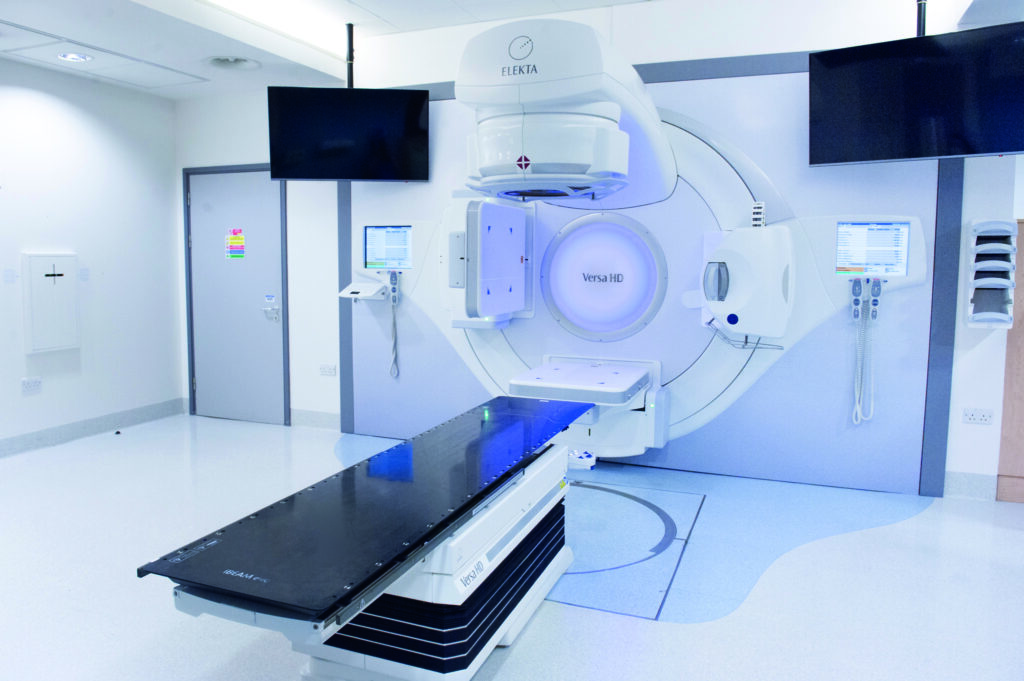
Radiotherapy is a common treatment for various types of cancer, including head and neck cancer. The Leeds Teaching Hospitals NHS Trust provides radiotherapy services, using advanced equipment such as linear accelerators. In this article, we will explore the benefits and trade-offs of radiotherapy, as well as realistic expectations for patients undergoing treatment.
What is Radiotherapy?
Radiotherapy, also known as radiation therapy, is a medical treatment that uses high-energy particles or waves, such as X-rays, gamma rays, or electron beams, to destroy or damage cancer cells. The goal of radiotherapy is to shrink tumors, alleviate symptoms, and prevent cancer from spreading.
Benefits of Radiotherapy
Radiotherapy offers several benefits, including:
- Effective treatment: Radiotherapy can cure or control many types of cancer, especially if detected early.
- Minimally invasive: Radiotherapy is a non-surgical treatment, reducing the risk of complications and scarring.
- Localized treatment: Radiotherapy targets specific areas, minimizing damage to surrounding healthy tissues.
Trade-Offs and Side Effects
While radiotherapy is an effective treatment, it also comes with potential side effects and trade-offs:
- Fatigue: Radiotherapy can cause tiredness, weakness, and fatigue.
- Skin reactions: Radiotherapy can cause skin dryness, itching, or burning sensations.
- Hair loss: Radiotherapy to the head and neck area can cause hair loss.
Realistic Expectations
It's essential for patients to have realistic expectations about radiotherapy treatment. The duration and frequency of treatment vary depending on the type and stage of cancer, as well as individual patient needs. Patients should discuss their treatment plan and expectations with their healthcare team to ensure a smooth and informed experience.
By understanding the benefits, trade-offs, and realistic expectations of radiotherapy, patients can make informed decisions about their treatment and navigate the process with confidence.