tags and the article uses the allowed HTML tags. No markdown, just HTML. Start with a intro, then h2 headings, and so on. No image tags since the URL provided isn't relevant. Let me begin drafting each section now. Exploring Marine Biology: What New Learners Should Know About Online and In-Person Courses
Marine biology information courses offer a gateway to understanding ocean ecosystems, but their structure, demands, and outcomes vary widely. Whether you’re considering online modules, local workshops, or university programs, the right fit depends on your goals, time availability, and learning style. This article breaks down the pros, limitations, and practical steps for choosing a course that aligns with your curiosity—and realistic expectations of what marine science can teach us about the sea.
Why Online Marine Biology Courses Are Popular Among Beginners
Online platforms like Coursera, edX, and specialized marine science websites attract learners with their flexibility and accessibility. Many courses let you start with no prerequisites, offering introductions to topics like coral reef conservation, marine species identification, or oceanography. The freedom to pause, rewind, or rewind lessons fits busy schedules—ideal for hobbyists or career explorers. Some programs even pair videos with interactive quizzes or virtual lab simulations to mimic hands-on research.
Trade-Offs of Flexibility: What Self-Guided Learning Requires
If affordability and convenience are priorities, consider the hidden challenges of online options. Unlike traditional classrooms, digital courses demand discipline: you’ll need to track deadlines, stay motivated without peer pressure, and find your own fieldwork opportunities. Additionally, credentials vary; a $300 course from a non-accredited provider may not carry the same weight as a university extension program. Always verify if employers or academic institutions recognize the certification for credit or career advancement.
In-Person Courses: Structure and Hands-On Experience
For those who thrive on face-to-face interaction, marine biology workshops or community college classes can offer structured routines and lab access. Coastal universities often partner with research institutes to provide field trips to tide pools, aquariums, or boat excursions for sample collection. While tuition fees and location constraints make these harder to access, the chance to use microscopes, dissect specimens, or participate in citizen science projects adds tangible skills that online modules struggle to replicate.
Setting Realistic Goals for Your Marine Biology Journey
Before enrolling, ask: Do you seek a casual overview, or are you training for a specific role in conservation, aquaculture, or policy? Short online courses typically cover fundamentals but may lack depth. Advanced programs—such as six-month certifications in marine ecology—require stronger science foundations. Also, recognize that marine biology careers often blend classroom learning with internships or volunteer hours, so look for courses that connect with local marine organizations or mentorship networks.
Key Considerations for Choosing a Course in 2024
- Accreditation: Check if the institution holds reputable affiliations (e.g., National Association of Marine Laboratories).
- Cost vs. Value: Free courses (e.g., via YouTube channels like “Ocean Conservancy”) provide starting points, but paid programs often include expert feedback.
- Technology Needs: Some virtual labs require high-speed internet; remote fieldwork might involve apps for species tracking.
- Local Opportunities: Search for state-funded marine education initiatives, which sometimes offer free public lectures or discounted summer camps.
Marine biology is as much about perseverance as it is passion. Whether you pursue an online certification or coastal fieldwork, start small—join a beach cleanup, read local marine journals, or follow research vessel live streams. By aligning your learning path with your lifestyle and aspirations, you’ll build knowledge that’s both meaningful and achievable.
Build Your Own NAS With OpenMediaVault
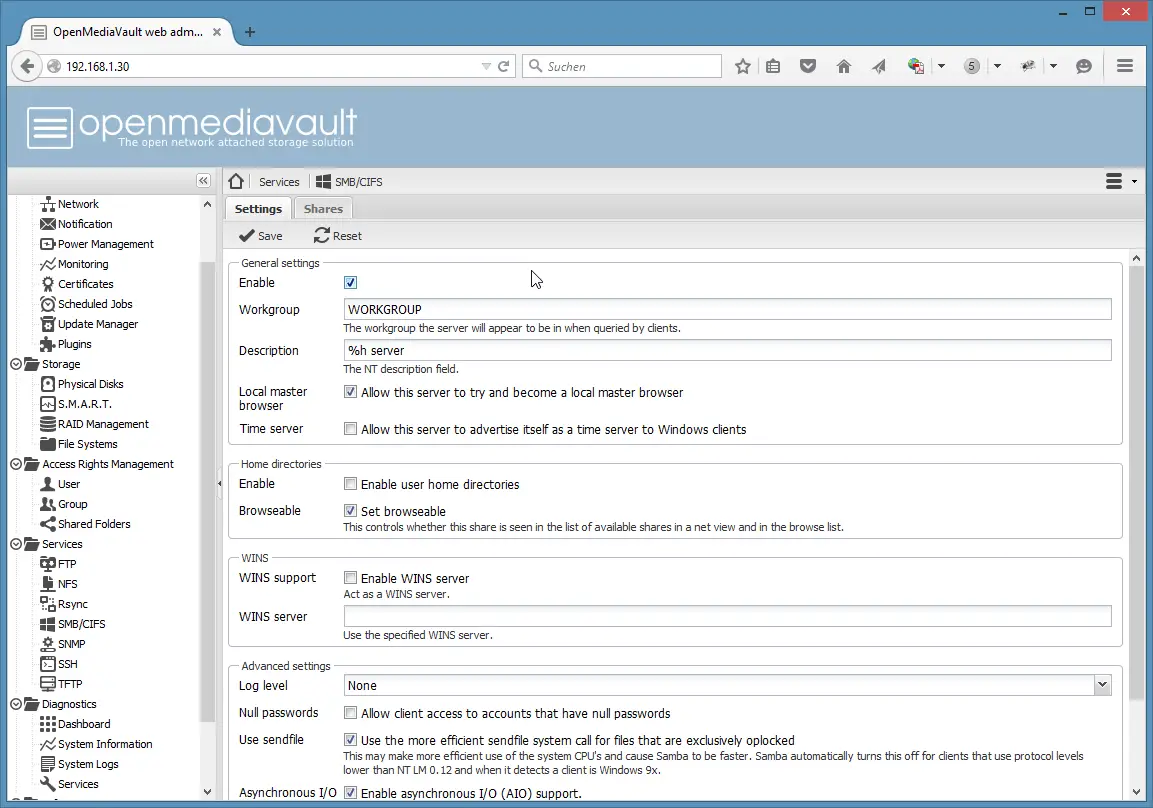
Build your own NAS with OpenMediaVault