Mark Carney and Family: Using Price Action to Map the Next Trade
For investors who respect disciplined analysis over gut feel, the notion of “price action” offers a clear map to navigate the markets. While Mark Carney and family may not be household names in the trading community, the principles that guide their decisions can mirror those that former Bank of England chief Mark Carney once employed to steer policy—read, observe, and act with confidence.
Understanding the Basics: Why Price Action Matters
Unlike technical indicators that add layers of abstraction, price action strips trading down to its purest element: the price itself. By charting the highs, lows, and closes of an asset, traders can spot trends, support and resistance levels, and turning points—all without the clutter of oscillators or moving averages.
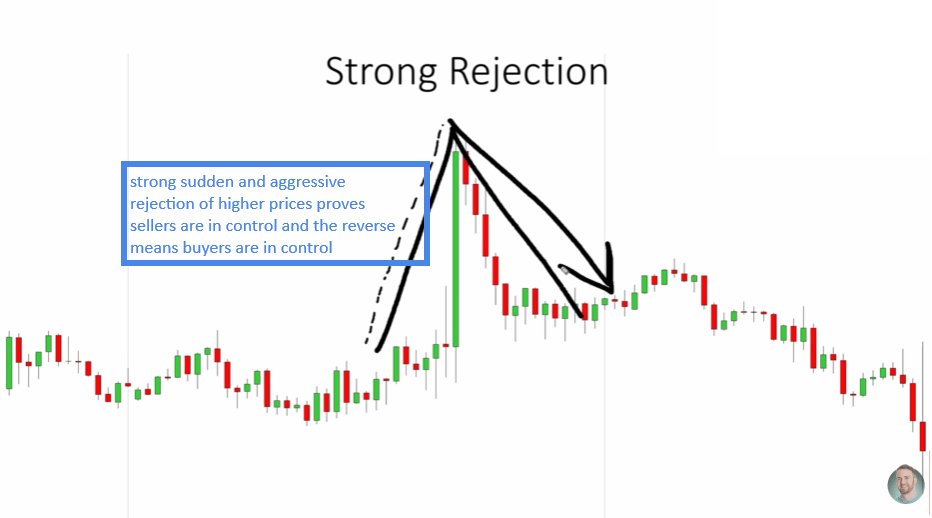
The chart below illustrates a classic price‑action pattern. Observe the breakout from a consolidation zone, the subsequent pullback to a support level, and the decisive move above the resistance line. Such a sequence is a textbook signal that the market has found a new direction.
Action‑Oriented Steps to Read the Market
- Identify the Trend – Look for higher highs and higher lows for an uptrend, or lower highs and lower lows for a downtrend. In the chart above, the series of rising highs confirms an uptrend.
- Locate Key Levels – Support and resistance are where price tends to pause or reverse. Mark these lines manually; they often act as future entry or exit points.
- Watch for Breakouts – A decisive move beyond a resistance or support level can signal a new trend. The breakout on day 12 in the image is a clear example.
- Confirm with Candlestick Patterns – A bullish engulfing or a doji at a support level can validate a potential reversal.
- Manage Risk – Place stop‑loss orders just beyond the most recent swing high or low. In a rising market, a stop a few points below the breakout gives room for volatility but protects the capital if the move fails.
Translating Price Action for the Family Portfolio
- Diversify Across Sectors – Apply the same trend‑identification logic to a range of stocks, ETFs, and bonds to avoid over‑concentration in a single market segment.
- Set Time‑Frame Objectives – Short‑term traders might focus on daily or hourly charts, while long‑term investors could examine weekly or monthly price action to spot macro shifts.
- Use Price Action for Exit Planning – If a family member is holding a position that has reached a key resistance level, consider scaling out or securing profits before a potential pullback.
- Leverage Family Goals – Align price‑action signals with milestone planning—college funds, a down‑payment, or retirement—ensuring that market timing complements life events.
Implications for Decision-Making and Confidence
Employing price action reduces reliance on speculation or over‑analysis. For Mark Carney and family, the discipline mirrors the risk‑management mindset that a former central banker would advocate: evaluate the market’s pulse, respect its boundaries, and execute with clarity. By turning chart patterns into actionable decisions, families can maintain a proactive stance while keeping emotions in check.
In sum, whether you’re a seasoned trader or a household planning for the future, embracing price action equips you with a straightforward, evidence‑based framework. Mark Carney and family, like any prudent investor, can turn the raw language of markets into a strategic narrative that supports long‑term goals.