Sheikh Hasina – Who Is She? Understanding Historical Context Through the Nuremberg Laws
While the name Sheikh Hasina often surfaces in discussions about South Asian politics, the query “sheikh hasina who is she” can also lead researchers to explore how historical narratives shape contemporary leadership. One pivotal narrative is the 1935 Nuremberg Laws, a legal framework that reshaped German society and offers a lens for assessing how state‑crafted identities influence modern governance.
Why the Nuremberg Laws Matter for Today’s Political Profiles
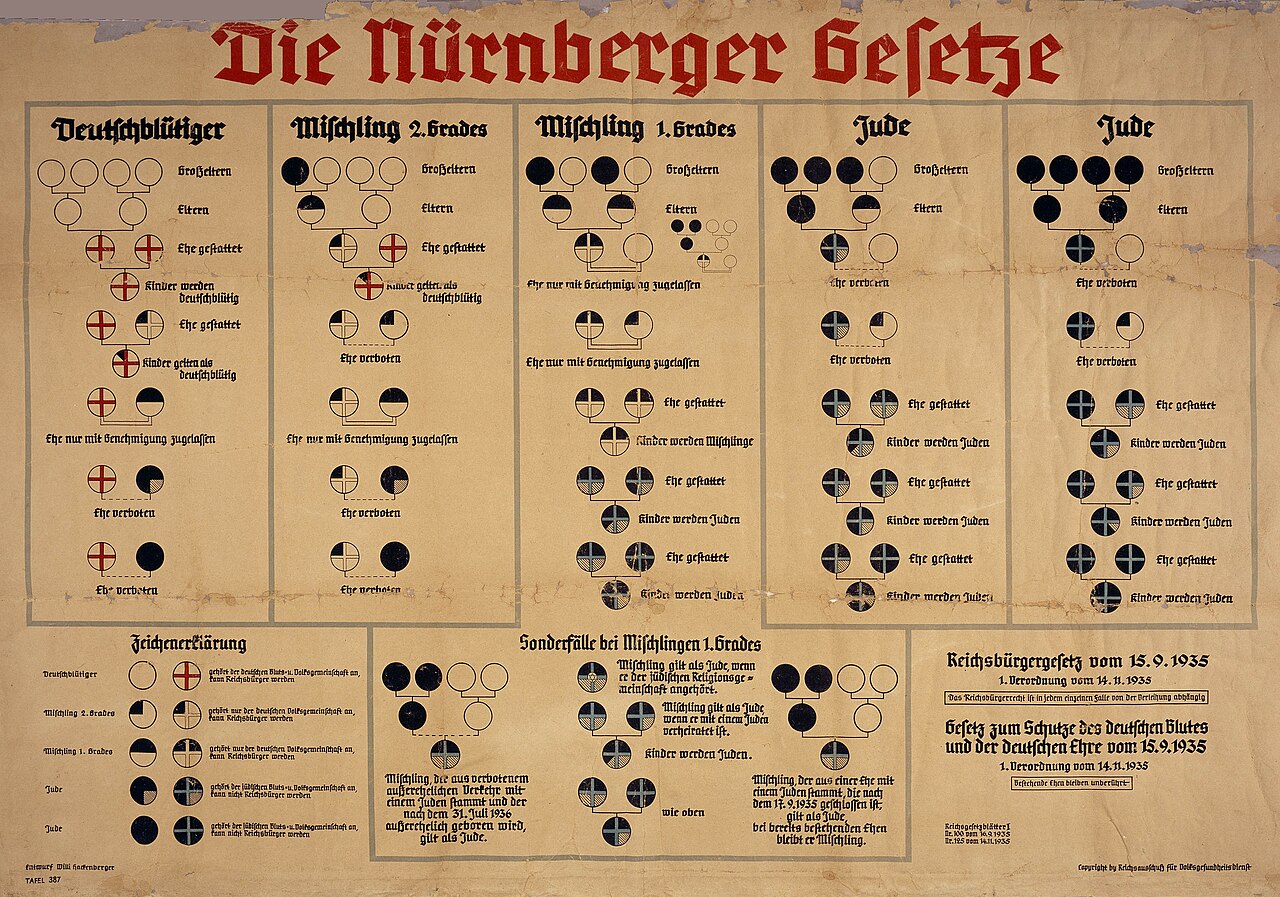
The Nuremberg Laws, enacted on 15 September 1935, introduced a racial taxonomy that excluded Jews from German civic life. By codifying discrimination, the laws created a precedent for how legal instruments can define “who belongs.” For scholars examining Sheikh Hasina’s political trajectory, the comparison underscores the power of legislation in constructing national identity.

Key provisions of the 1935 statutes
- Reich Citizenship Law: Restricted citizenship to “German or related blood,” stripping Jews of political rights.
- Law for the Protection of German Blood and German Honour: Criminalized marriages and extramarital relations between Jews and non‑Jews.
- Supplementary decrees: Defined who was considered Jewish based on ancestry, not belief.
Sheikh Hasina’s Leadership in Comparative Perspective
Sheikh Hasina, Bangladesh’s longest‑serving prime minister, rose to prominence through a blend of democratic elections and constitutional reforms. Unlike the authoritarian codifications of the Nuremberg era, her tenure illustrates how inclusive legislation can reinforce legitimacy. For instance, the 1991 parliamentary reforms restored multiparty competition after decades of military rule, providing a stark counter‑example to exclusionary statutes.
Selection criteria for political legitimacy
- Constitutional continuity: Hasina’s parties have emphasized adherence to the 1972 Constitution, contrasting sharply with the ad‑hoc legalism of Nazi Germany.
- Public participation: Voter turnout in Bangladesh’s 2018 election exceeded 80 %, signaling a broad social contract.
- International norms: Bangladesh’s commitment to UN Sustainable Development Goals aligns with global standards of inclusivity.
Implications for Researchers and Policy Makers
Understanding the divergent paths of legal frameworks—from the Nuremberg Laws to Bangladesh’s modern constitution—helps analysts gauge how leaders like Sheikh Hasina navigate identity politics. The lesson is clear: statutes that delineate belonging can either marginalize or empower, depending on their intent and implementation.

For detail‑oriented researchers, the juxtaposition offers a methodological template: trace a leader’s policy choices back to the legal foundations that either echo or reject historic precedents. By mapping these trajectories, scholars can better predict how future legislation may shape leadership narratives worldwide.
In sum, while the question “sheikh hasina who is she” seeks a biographical sketch, the broader inquiry into how law frames political identity finds a compelling case study in the Nuremberg Laws. Recognizing this connection equips analysts with a richer, more nuanced understanding of leadership legitimacy in the 21st century.
Leyes De Núremberg - Wikipedia, La Enciclopedia Libre
Leyes de Núremberg - Wikipedia, la enciclopedia libre
El Holocausto: La Solución Final Como Proceso ( ) - Ppt Descargar

El Holocausto: La Solución Final como Proceso ( ) - ppt descargar
Leyes De Núremberg - Wikipedia, La Enciclopedia Libre

Leyes de Núremberg - Wikipedia, la enciclopedia libre