Steve and Maggie's Yummy Food: A Delicious Dive into Indie Game Development
Steve and Maggie's Yummy Food isn't just another indie game—it's a vibrant, flavorful experience that blends creativity with practical challenges. For developers navigating the indie scene, the game offers both inspiration and a realistic look at the trade-offs of small-scale production. With its pixel-perfect art and intuitive mechanics, it stands out as a case study in how indie teams can deliver polished, engaging content on a budget.
What Makes Steve and Maggie's Yummy Food Stand Out?
The game's appeal lies in its attention to detail. From the charming pixel art that brings the kitchen to life to the satisfying sound design of chopping and cooking, every element feels intentional. Unlike larger studios, indie developers often prioritize quality over quantity, and Steve and Maggie's Yummy Food proves that even with limited resources, a focused vision can shine.
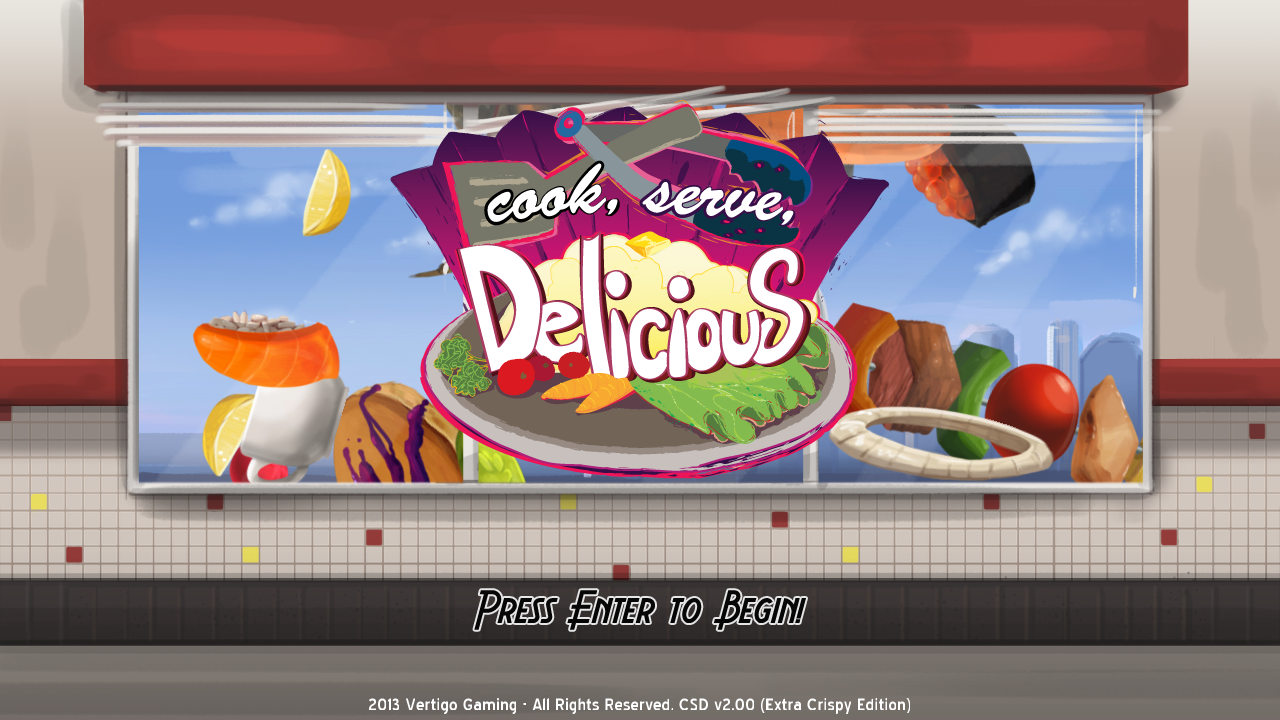
Challenges of Indie Development
While the game's success is undeniable, indie development isn't without its hurdles. Limited budgets mean trade-offs—simplified graphics, shorter development cycles, or fewer polish features. Steve and Maggie's Yummy Food sidesteps these pitfalls by keeping its scope tight and its goals clear: a fun, accessible cooking simulator without the bloat of larger titles.
Realistic Expectations for Indie Success
Indie games thrive on passion and community. Steve and Maggie's Yummy Food benefits from a dedicated fanbase that appreciates its charm and creativity. For aspiring developers, the lesson is clear: focus on what makes your game unique, and don't be afraid to embrace the constraints of indie development. The game's success is a testament to the fact that sometimes, less is more.
Why It Matters for the Indie Scene
Steve and Maggie's Yummy Food isn't just a game—it's a reminder that indie development can be both creative and sustainable. By proving that polished, engaging experiences can come from small teams, it sets a new standard for what's possible in the indie space. For hobbyists and professionals alike, it's a valuable case study in balancing ambition with practicality.
Download The Latest Indie Games - Itch.io

Download the latest indie games - itch.io